The ophthalmology training program in China includes instruction on prescribing glasses and contact lenses, other optical aids, corrective treatments, visual electrophysiology, fundus fluorescein angiography, eye ultrasound examination, patient counseling, surgical management, and ethical and professional standards. It is important to note that the curriculum for each semester is arranged according to the university’s schedule at that time for students applying to study in China. Students are required to complete the curriculum and courses, as well as the specified number of credits.
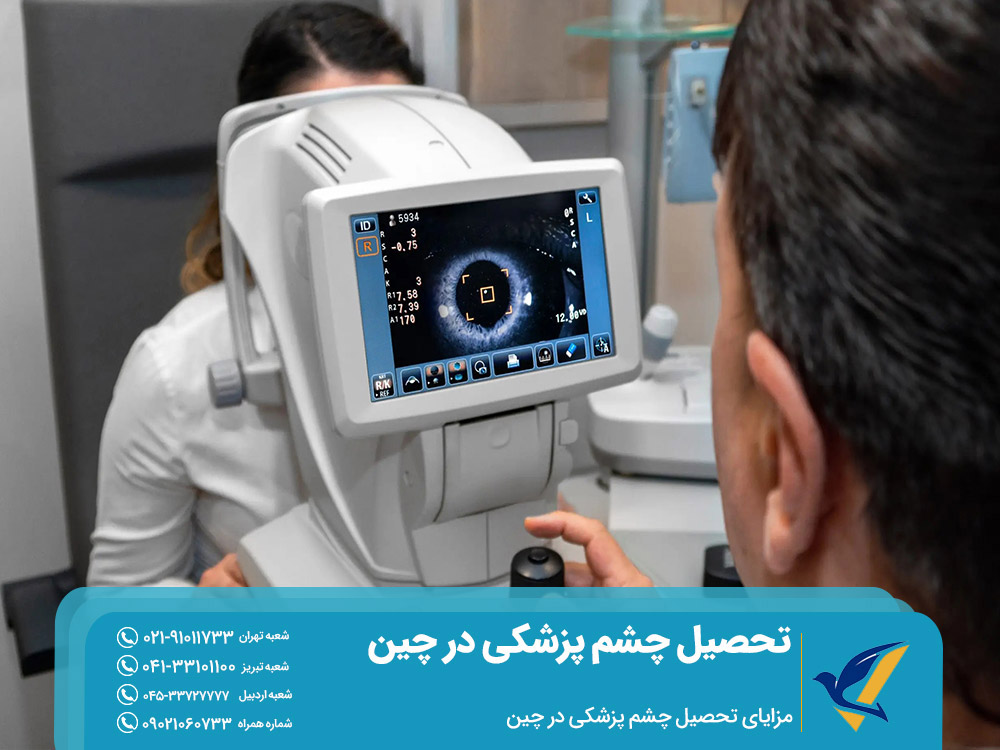
- Degrees from Chinese medical and ophthalmology universities are recognized worldwide.
- The country provides an opportunity to study in an international environment with high educational standards.
- Admission to ophthalmology programs in China is relatively easy, and there are options to study in English.
- A booming economy and excellent job market create good career opportunities for international students planning to study in China.
- Studying ophthalmology in China is more time- and cost-effective compared to other countries.
- Chinese universities host a large number of international students and welcome students from nearly every culture.
- Copy of passport
- Copy of identification certificate
- Photographs
- Invitation letter from the Chinese medical university
- All documents required by the Chinese embassy
- Health certificate
- Negative COVID-19 test report
- Statement of purpose (Motivation letter)
- Resume (CV)
- Recommendation letter
- High school diploma
- Proof of financial means (copy of bank statement from the last three months showing at least $7,000)
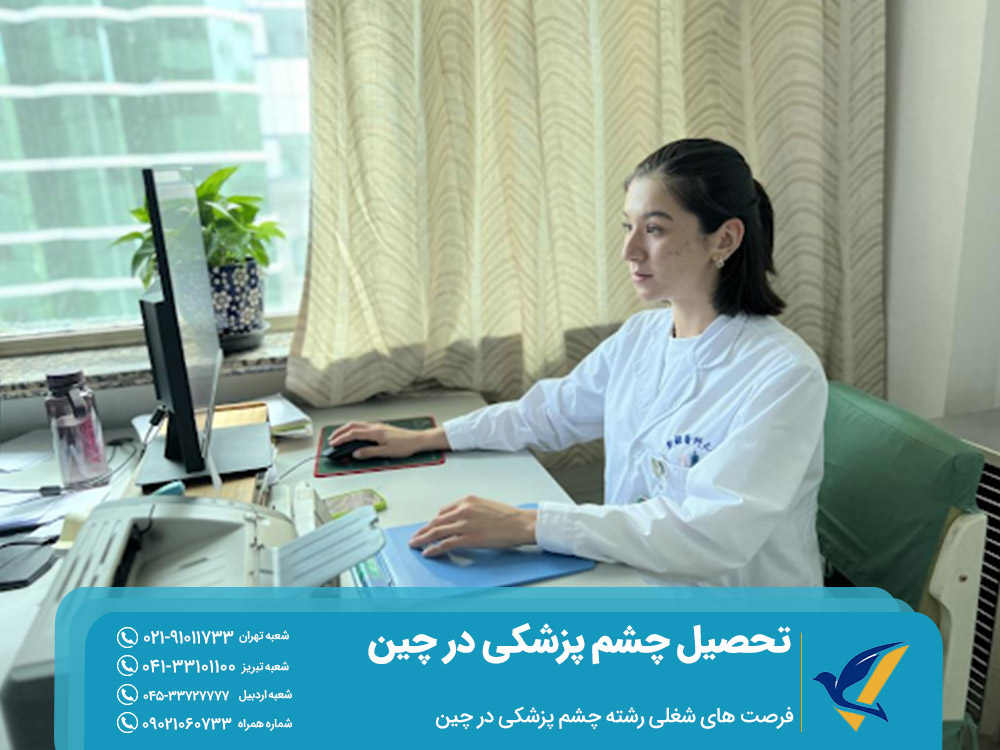
Career Opportunities for Ophthalmology Graduates in China
Generally, many ophthalmology graduates in China work full-time in government and private eye hospitals, including those affiliated with universities. Students interested in academic migration to China can also work as optometrists or instructors in related industries such as eyewear manufacturing, research institutes, ophthalmology faculties, and vision rehabilitation centers. However, it should be noted that such opportunities are not guaranteed for all new graduates.
Excellent job opportunities are also available outside of Shenyang for those interested in studying ophthalmology in China. Areas such as vision study, neuro-visual physiology, research on corneal contact lenses, eyewear studies, ophthalmic medical devices, optometry, imaging, professional English in optometry, and eye surgery are highly suitable career paths.
Academic Migration to China: General Conditions for Studying Ophthalmology
During their ophthalmology studies in China, students become familiar with a variety of topics. The ophthalmology program typically lasts between 4 to 6 years, at the end of which students graduate with an ophthalmology degree.
Overall, China respects diverse cultures and lifestyles, and facilities such as prayer rooms and halal food options are available. Moreover, universities organize various activities for international students, including parties, international cultural festivals, international student associations, talent competitions, New Year celebrations, volunteer activities, sightseeing tours, and more.
Below is an overview of the conditions for studying ophthalmology at the master’s and doctoral levels in China.
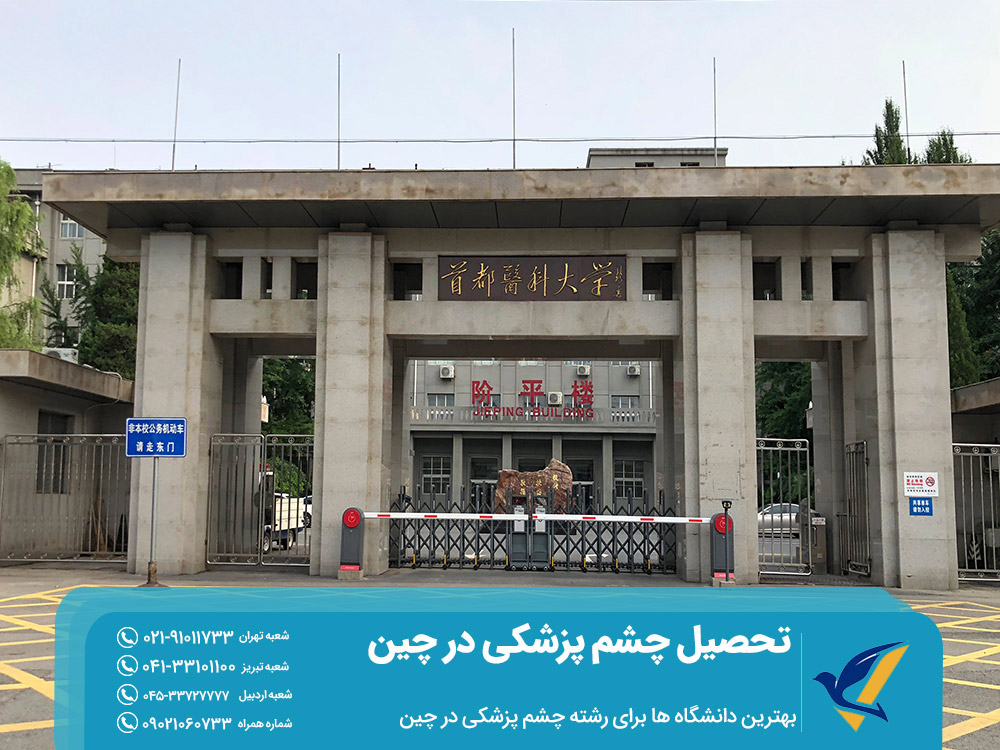
Best Universities for Ophthalmology in China
Below are 20 of the top 54 universities ranked based on their research performance in ophthalmology:
-
Sun Yat-sen University
-
Chinese University of Hong Kong
-
Capital Medical University
-
Fudan University
-
Wenzhou Medical University
-
Hong Kong Polytechnic University
-
Peking University
-
Shanghai Jiao Tong University
-
Tianjin Medical University
-
Zhejiang University
-
University of Hong Kong
-
Central South University
-
Peking Union Medical College
-
Nanjing Medical University
-
China Medical University
-
Huazhong University of Science and Technology
-
Zhengzhou University
-
Wuhan University
-
Shandong University
-
Sichuan University
Tuition Fees for Ophthalmology in China
Studying ophthalmology in China is generally affordable. Tuition fees vary by university and range approximately from 16,000 to 60,000 CNY (around 2,259 to 8,473 USD). Including dormitory expenses, the total cost for the first academic year is roughly 7,000 USD, with significant reductions in fees over the subsequent years until graduation.
Sample tuition fees at some universities:
-
Shantou Medical University (SUMC): 44,000 CNY (~6,186 USD)
-
Guangzhou Medical University (GMU): 33,306 CNY (~4,639 USD)
-
Dalian Medical University (DMU): 42,000 CNY (~6,079 USD)
-
Jinzhou Medical University: 38,855 CNY (~5,412 USD)
-
Nanjing Medical University (NJMU): 37,707 CNY (~5,252 USD)
Scholarships for Ophthalmology Studies in China
Only a limited number of Chinese universities offer scholarships for international students wishing to study ophthalmology in English. To be eligible for these scholarships, applicants generally need to be among the top students in their home country, with excellent final exam results and strong academic resumes.
Types of scholarships available in China include:
-
Chinese Government Scholarship
-
Local Government Scholarship
-
University Scholarship
-
Confucius Institute Scholarship
Salary of Ophthalmologists in China
An ophthalmologist working in China typically earns about 63,000 CNY per month. The salary range for ophthalmologists in this large Asian country varies from 34,000 CNY to 95,100 CNY per month. This means the annual salary can range from a minimum of 408,000 CNY to a maximum of 1,140,000 CNY.
Experience plays a significant role in determining salary levels. For example, an ophthalmologist with 2 to 5 years of experience earns approximately 599,000 CNY annually, while those with 5 to 10 years of experience can expect to earn around 790,000 CNY per year — a 32% increase.
Summary
Based on the above information, China is one of the most popular countries for studying ophthalmology abroad. The relatively low cost of education, affordable living expenses for students, and the presence of universities recognized by Iran’s Ministry of Health have encouraged many individuals to pursue ophthalmology studies in China.
Consequently, many students from around the world, including Iran, apply for educational migration to China annually. For more information about the cost of studying in China and to receive free consultation, you can contact our consultants at Elm Vira Immigration Institute.