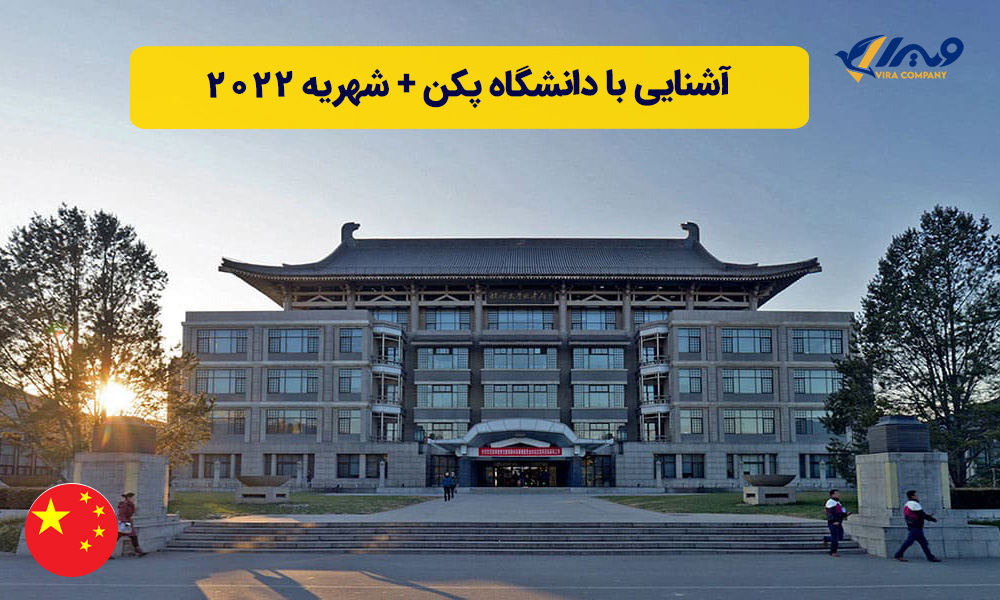
Rapid Growth as a Global Economic Power and the Exponential Expansion of Private Universities in China Have Made This Country One of the Most Popular Destinations for Educational Migration.
In recent years, the number of international students choosing to study in China has multiplied, and the country’s investment in higher education has increased significantly. Although the cost of living in China is rising along with its rapid economic development, the cost of education remains relatively affordable compared to European countries and the United States.
This Asian country has gained great popularity among international students due to its advanced educational facilities, recognized degrees, up-to-date technologies, and more than 30 higher education institutions with excellent global rankings. China is also attractive for international students because of its rich culture and history, and students are welcomed not only by universities but also by the local people. In this article from the Elm Vira series, join us as we explore private universities in China.
Benefits of Educational Migration to China
Studying in China offers students an unforgettable academic experience. The latest statistics show that about 500,000 international students are studying in both public and private universities in China, and this number increases by 10% annually. To achieve this goal, various measures have been taken to attract international students by improving the quality of education and learning, offering scholarships, enhancing university standards, and increasing research capacity. The advantages of educational migration to China include:
-
Affordable tuition and living expenses
-
High employment rates
-
Modern cities and a growing economy
-
Unique culture and hospitality
-
Focused international studies
-
Opportunities to obtain scholarships
-
Stable and strong economy
-
High quality of the higher education system, and more.
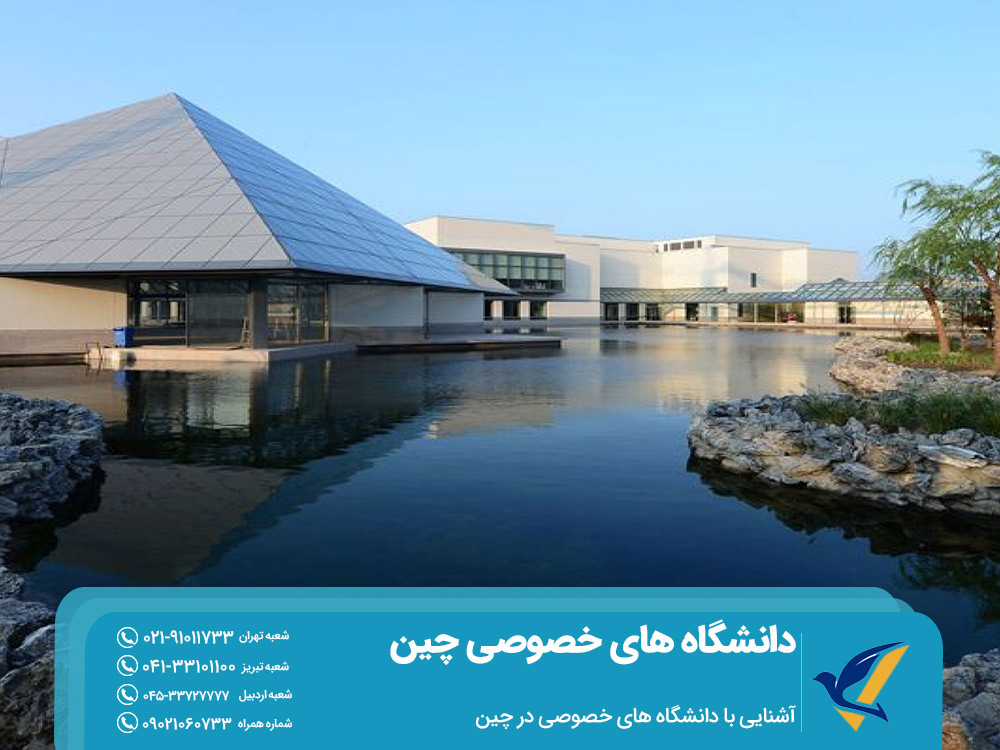
Introduction to Private Universities in China
Private universities in China were established in the late 1990s during educational reforms. Over the past 20 years, about 700 private higher education institutions have been founded in China. These universities are financially independent from the Chinese government and are funded through tuition fees and support from private foundations. However, they are still regulated by the government. The central government of China sets the general policies for private education, while provincial governments oversee the quality of education at these universities.
It is important to note that not all private universities in China have the right to issue government-recognized degrees. Therefore, before taking any steps toward studying in China, make sure to verify this. Generally, private universities in China are still unable to compete fully with public universities. Public universities continue to play the leading role in the country’s higher education system.
Top Private Universities in China
China is considered one of the best countries for studying at private universities. Private universities in China have good national and international rankings and offer formal higher education with affordable tuition fees. Private institutions are a great way to achieve academic goals and obtain a recognized degree.
Private universities in China provide quality education to millions of international students. They complement public universities by offering educational opportunities to students who may not have succeeded in the entrance exams for public universities. If you plan to migrate for education in China and want to study at private universities, keep in mind that the degree from private universities may not have the same level of recognition as that from public universities. Below, we introduce some of the best private universities in China:
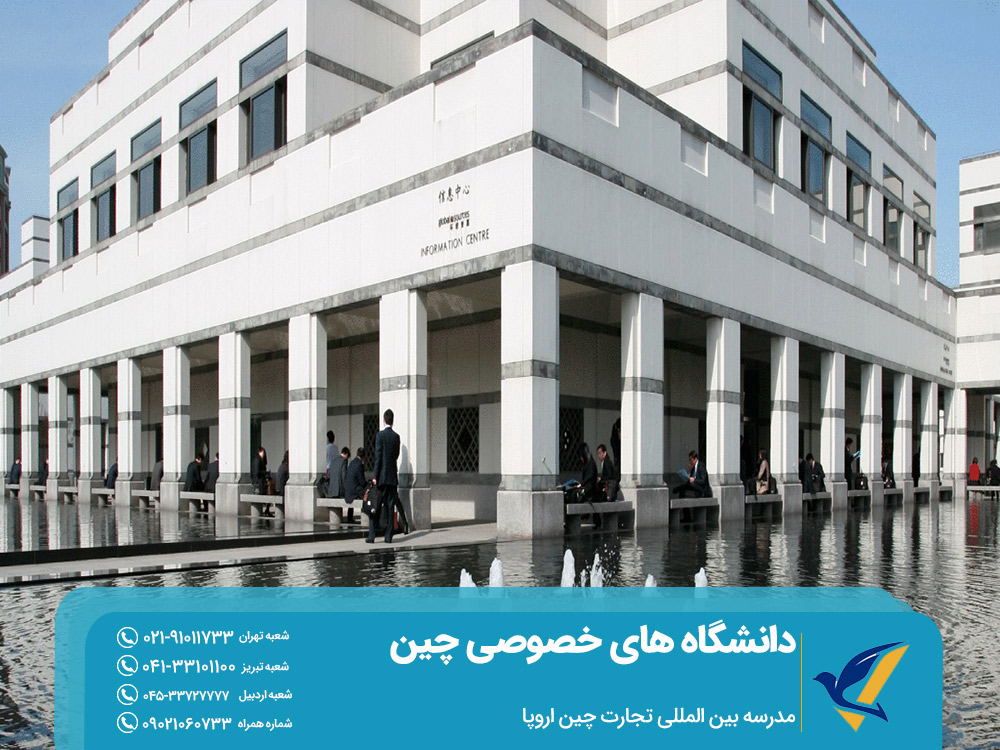
- China Europe International Business School (CEIBS)
- Private Universities in China: Nanchang Institute of Technology
- Xi’an Pinhua University
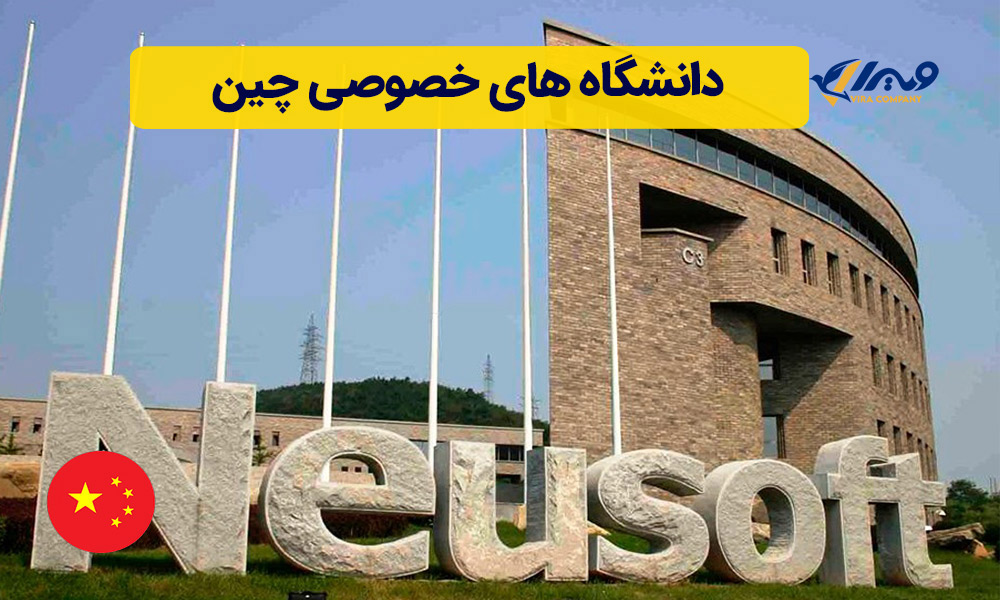
- Dalian Neusoft University of Information (DNUI)
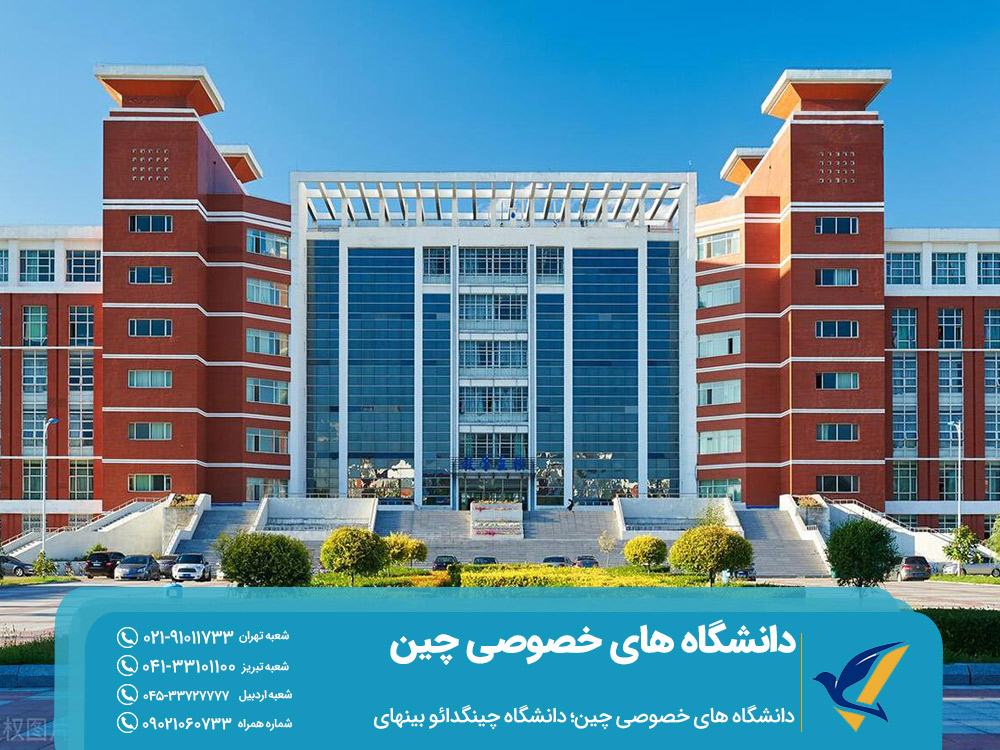
5. Private Universities in China: Qingdao Binhai University
Qingdao Binhai University is a private higher education institution established in 1996 in Shandong Province. The university offers about 60 different undergraduate programs to students. In addition to bachelor’s degrees, students can also receive certificates for specialized three-year courses. Some of the fields of study taught at this university include arts, business, education, and engineering. Currently, the university enrolls around 20,000 students.
Other notable private universities in China include:
-
Huanghe Science and Technology College
-
Zhengzhou Shengda University
-
Zhejiang Geely University
-
Yantai Nanshan University
-
Sookean College
-
Huanghe Jiaotong University
-
Beihai University of Art and Design
-
Guangzhou Information Engineering University
-
Wuhan College of Communication and Media
Conditions for Studying at Private Universities in China
Generally, admission and study conditions at private universities in China are not very difficult. Private universities in China usually do not require entrance exams for international students. Different universities in China request specific conditions and documents depending on the university type and level of study. Admission conditions at private universities depend on the university, major, and degree level.
Common general requirements for admission to private universities in China include:
-
A minimum of 60% in high school grades
-
Minimum age of 18 years
-
Holding a 12-year high school diploma or equivalent
Students must provide proof of English proficiency (TOEFL or IELTS) or Chinese language skills. The minimum IELTS score accepted by Chinese universities is usually between 6.0 and 6.5.
Required Documents for Admission
The required documents for studying at private universities in China may vary by institution. Common documents needed for application and admission include:
-
Copy of passport
-
Copy of identification documents
-
Several photos
-
Application form
-
University admission letter
-
Health certificate
-
Statement of purpose
-
Resume/CV
-
Criminal record certificate
-
Two recommendation letters
-
Diploma certificate
-
Academic transcripts
-
Proof of financial capability