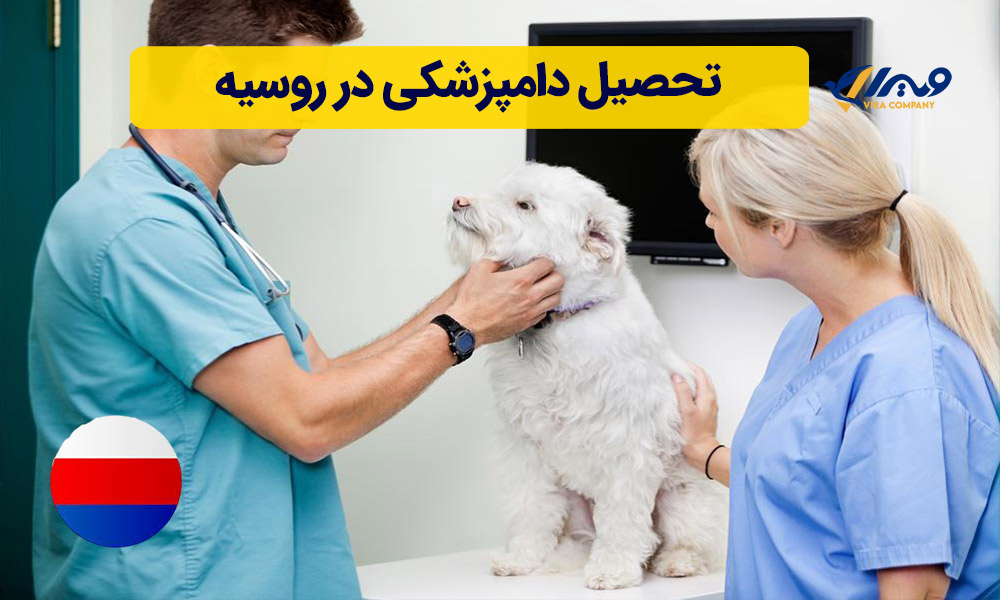
Given the high population of livestock in Russia, studying veterinary medicine there presents a great academic opportunity and promising career prospects for those interested in this field. The favorable admission conditions and the option to study in both Russian and English are some of the key reasons for choosing Russia as a destination for academic migration. Among the requirements for studying veterinary medicine in Russia are providing valid academic documents and achieving at least 50% in science-related subjects. In this article, we will explore veterinary medicine studies in Russia.Conditions for Studying Veterinary Medicine in RussiaRussian universities have a high global reputation and long-standing history. These institutions continuously strive to meet international standards while offering the best academic and educational facilities. All these factors contribute significantly to the increasing prestige of Russian universities and attract international students to study in Russia.Russia is ranked among the top countries globally for a variety of academic fields, and veterinary medicine is one of the prominent courses for those who want to study at a prestigious university with reasonable costs. To pursue veterinary medicine, students must provide the latest academic records along with official translations and pass the preparatory exam.Another important condition is that applicants must have a minimum of 50% in subjects like Chemistry, Biology, Mathematics, and Physics. The undergraduate veterinary medicine program in Russia lasts four years, during which students receive training in bacteriology, evaluating animal health conditions, as well as methods for radiation exposure and control of ionizing radiation. The program is offered in both English and Russian.
Veterinary Medicine Universities in Russia
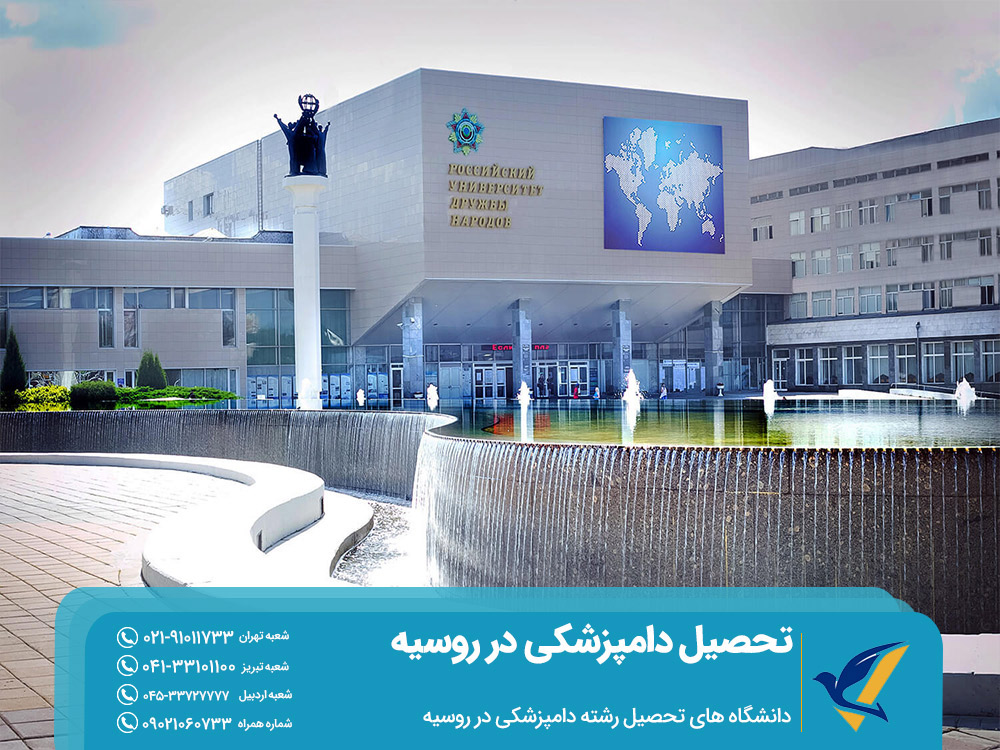
Russian universities offer the best academic facilities for students studying veterinary medicine. These institutions provide outstanding scientific, educational, and research facilities, which are some of the advantages contributing to the rise in academic migration to Russia. The top universities in Russia for veterinary medicine are:
RUDN University
Omsk State University
Ogarev Mordovia State University
Kemerovo State University
Don State Technical University
Lomonosov Moscow State University
Oryol State Agricultural University
Orenburg State Agricultural University
Kursk State Agricultural Academy
Kostroma State Agricultural Academy
Compared to European and American countries, the conditions for studying veterinary medicine in Russia are more affordable, which has made it an important destination for academic migration.
Veterinary Medicine Career Titles in Russia
Students pursuing veterinary medicine in Russia can choose from various specializations based on their interests. The career titles in veterinary medicine include:
Emergency Veterinarian
Internal Medicine Veterinarian
General Veterinarian
Veterinary Surgeon
Veterinary Assistant
Pet Care Veterinarian
Graduates in veterinary medicine receive training in animal disease prevention, controlling drug distribution in veterinary medicine, and improving animal fertility rates.
Cost of Studying Veterinary Medicine in Russia
In addition to the favorable conditions for studying veterinary medicine in Russia, the cost of education is more affordable than in top universities in Europe and the United States. Many international students, seeking to study at a reputable university at a reasonable cost, choose Russia for their academic migration. Below are the tuition fees for veterinary medicine at some Russian universities:
University
Annual Tuition Fee
Omsk State University
$2,700
Ogarev Mordovia State University
$1,700 – $3,000
RUDN University
$4,100
Don State Technical University
$2,800
Kemerovo State University
$2,500
Lomonosov Moscow State University
$4,800
Academic Levels of Veterinary Medicine in RussiaVeterinary medicine in Russia is offered at the bachelor’s and graduate levels. Below is an overview of the academic levels and the conditions for studying veterinary medicine in Russia at each level.
Bachelor’s Degree
The bachelor’s degree in veterinary medicine lasts for 4 years. During this period, students learn the fundamental courses related to their field of study. Typically, the bachelor’s program in most fields, including veterinary medicine, is taught in Russian, with English-language instruction available in a few universities. Therefore, it is important to choose a university based on the language of instruction before moving to Russia for studies. Another condition for studying veterinary medicine at the bachelor’s level in Russia is participation in a preparatory program (known as “Padhfak”) relevant to the field and passing the final exam. The preparatory program is one of the key requirements for acceptance to universities in Russia.
Master’s Degree
The master’s degree in veterinary medicine in Russia lasts for 2 years. In addition to learning advanced topics related to veterinary medicine, students are required to conduct research in their field of interest and present their findings in a thesis. A bachelor’s degree is a prerequisite for entering the master’s program. In the master’s program, courses are taught in both English and Russian. The required language proficiency for this level is an IELTS score of 6 or a Russian language proficiency level of B2.
Doctoral Degree (PhD)
The doctoral degree (PhD) in veterinary medicine in Russia lasts for 3-4 years. The courses and training are more specialized compared to previous levels, and doctoral students are considered an important part of the academic body of the university and society. Consequently, research in various fields,based on students’ interests and specializations, is highly emphasized.For students who wish to pursue a PhD in veterinary medicine, studying in Russia is an excellent option. The required language proficiency for doctoral studies is an IELTS score of 6.5-7, or a Russian language level of C1-C2.
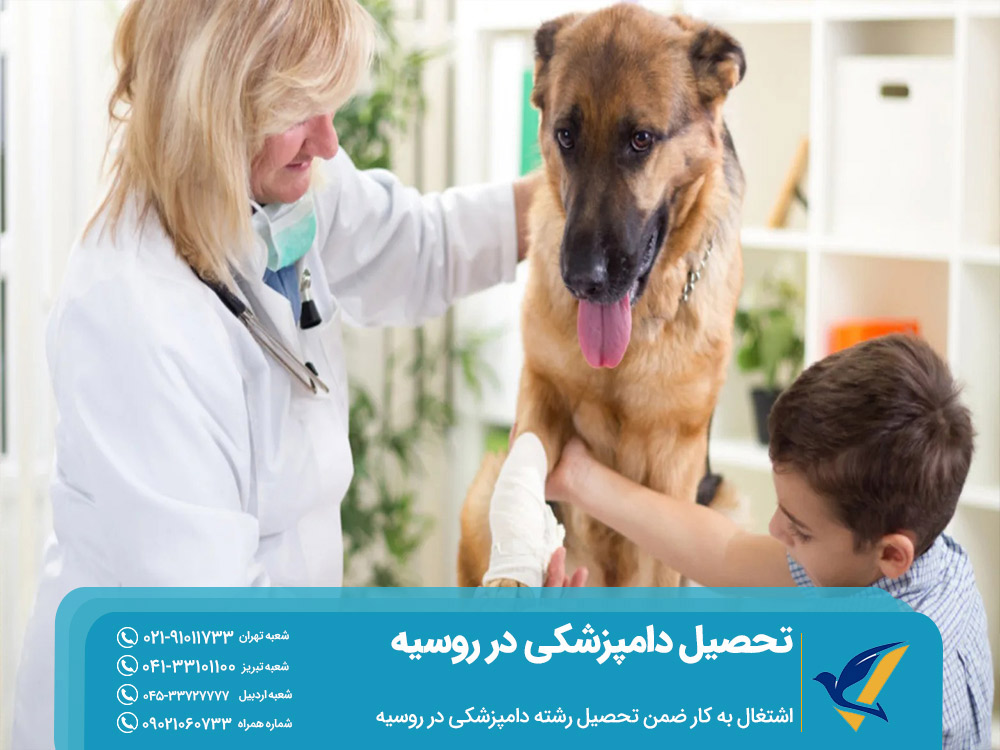
Working While Studying Veterinary Medicine in RussiaOne of the advantages of studying in Russia is the opportunity to work while studying. International students pursuing a veterinary medicine degree in Russia can work a certain number of hours per week after obtaining the necessary permits. To obtain a student work permit, students must apply to the Russian Federal Migration Department.Exams Required to Work as a Veterinarian in RussiaGraduates of veterinary medicine who wish to stay in Russia must obtain the necessary work permits. Additionally, to work as a veterinarian, they must pass the Federal Ministry of Health’s exam in Russia and obtain a passing score. This exam evaluates the individual’s knowledge of specialized veterinary subjects. Once the exam is passed, the candidate is eligible to work as a veterinarian in Russia.Veterinary Medicine in Russia; Veterinarian SalariesDue to the high number of livestock in Russia, veterinary medicine is considered a high-paying profession. As a result, many students prefer to search for jobs in Russia after completing their veterinary studies. Veterinarian salaries in Russia depend on the level of expertise, skills, work experience, education, and even the city of employment. Below are the monthly salaries for veterinarians with different levels of experience:Experience & QualificationsMonthly IncomeLess than 2 years of experience $1,142 2-5 years of experience $1,410 5-10 years of experience $2,000 10-15 years of experience $2,330 15-20 years of experience $2,590 More than 20 years of experience $2,710 Bachelor’s degree $1,300 Master’s degree $2,000 PhD degree $2,600 SummaryRussian universities provide excellent educational opportunities and affordable tuition fees, making them a popular choice for many international students. Veterinary medicine is a significant field that plays a crucial role in animal health and its relationship with human health.Many students interested in veterinary medicine choose to study in Russia to pursue their degrees at reputable universities at an affordable cost. Collaborations between Russian universities and global academic centers, along with the possibility of obtaining scholarships, are additional reasons for the rise in educational migration to Russia.Applicants for veterinary studies in Russia must submit their most recent academic records and transcripts, participate in the preparatory programs (Padhfak) related to the veterinary field, and pass the final exam. Due to the high number of livestock in Russia, the field offers good income potential, and some graduates choose to stay in the country and work after obtaining the necessary permits.Elm Vira Immigration Institute is one of the leading immigration agencies, providing the latest information about studying abroad. Elm Vira offers reliable support for students on their educational migration journey. For more information, visit our Free Consultation section.