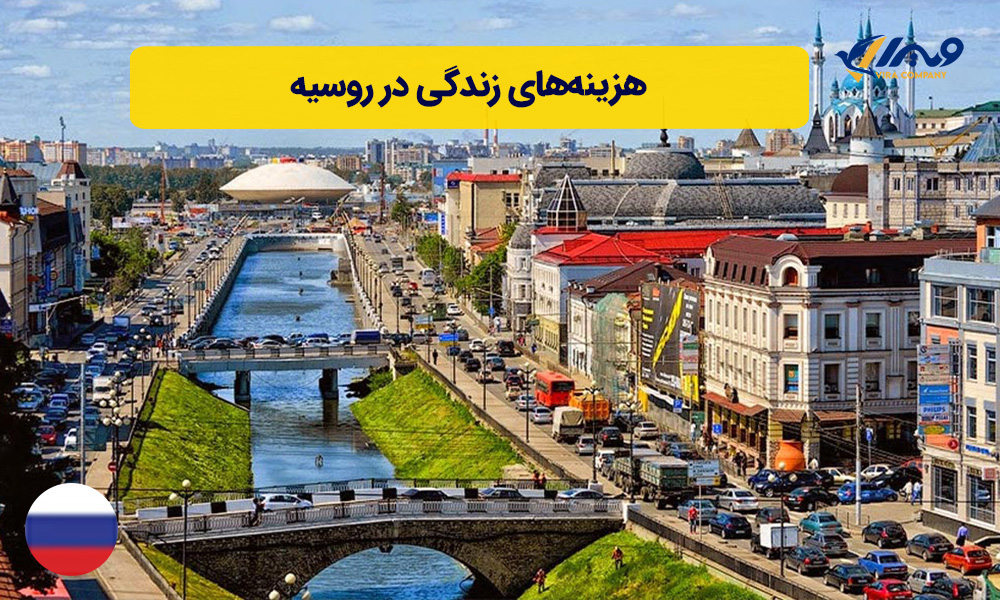

For students aiming to gain international-level expertise, studying psychology in Russia has traditionally been an attractive option due to the long-standing history of its universities and its structured educational system. However, given recent economic changes and educational advancements in Asia, many prospective students are now exploring alternative options.
One of the primary concerns for these students is understanding the costs associated with studying psychology in Russia. To learn more about the best Russian universities for psychology, stay with Elm Vira until the end of this article.
Studying Psychology in Russia in 2025
Studying psychology in Russia in 2025 offers an excellent opportunity for international students seeking a scientifically rigorous and practical education in a modern and affordable environment. Russian universities provide diverse programs at the bachelor’s, master’s, and doctoral levels, enabling students to gain knowledge in psychological theories, applied research, and counseling skills.
Moreover, access to experienced faculty, well-equipped laboratories, and research centers creates a dynamic and professional environment for academic growth. The cost of studying psychology in Russia, along with living expenses, is generally lower than in many European and American countries. With the availability of scholarships and financial support, studying psychology in Russia becomes an especially attractive option for Iranian students.

Popular Psychology Specializations in Russia
Overall, Russia offers an excellent environment for studying psychology, with experienced faculty, advanced laboratories, and well-equipped research centers. Studying psychology in Russia also provides an international and multicultural experience, which plays an important role in shaping students’ future careers.
Psychology programs in Russia are diverse, allowing students to choose a specialization that aligns with their interests. The most popular psychology specializations in Russia include:
-
Clinical Psychology: Focus on diagnosing and treating mental and behavioral disorders.
-
Child and Adolescent Psychology: Study of the mental and emotional development of children and adolescents.
-
Industrial and Organizational Psychology: Application of psychology in workplaces and organizations to improve employee performance.
-
Educational Psychology: Enhancing learning processes and teaching methods based on psychological principles.
-
Social Psychology: Study of group behaviors, social interactions, and cultural differences.
Steps to Apply for Psychology Programs in Russia
International students seeking to study psychology in Russia have access to high-quality education, advanced research facilities, and a culturally diverse living experience. Psychology programs in Russia are attractive to Iranian and other international students due to experienced faculty, comprehensive curricula, and international collaborations.
Choosing this educational path requires careful planning, understanding the application process, and preparing complete documentation to ensure a smooth university admission. Additionally, students can benefit from internships, research projects, and networking opportunities with professionals in the psychology field, which are significant advantages for their future careers.
The step-by-step process for applying to psychology programs in Russia is as follows:
1. Selecting the University and Program
The first step is to research Russian universities offering psychology programs. Universities should be compared based on academic ranking, quality of education, language of instruction, research facilities, and tuition fees to choose the most suitable option.

2. Preparing Academic Documents
Previous academic records (high school diploma or bachelor’s degree) must be officially translated, and transcripts should also be provided. These documents need to be valid and verifiable so that the university can properly assess your academic background.
3. Preparing Personal and Identification Documents
This includes a valid passport, passport-sized photos, medical certificate, and completed application forms. These documents are essential for the visa process and official enrollment.
4. Preparing Supplementary Documents
A Statement of Purpose (SOP) and Recommendation Letters from professors or previous employers should be prepared. These documents play a significant role in international student admissions and directly impact the outcome of the application.
5. Online Application and Document Submission
Most Russian universities offer online application systems. Supplementary documents and application forms are submitted through the university portal. Some universities may charge a fee for processing the documents.
6. Interview or Entrance Exam (If Required)
Some universities, especially for psychology programs, may conduct an online interview or entrance exam to assess applicants’ academic and psychological suitability.
7. Receiving the Admission Letter
After reviewing the documents and the results of interviews or exams, the university issues an Admission Letter. This letter is essential for subsequent steps, including applying for a student visa.
8. Applying for a Student Visa
With the admission letter, identification documents, and other required paperwork, students can apply for a Russian student visa. The type of visa may vary depending on the duration of the study program.
9. Preparing for Travel and On-Campus Enrollment
Once the visa is granted, students can plan their travel to Russia and complete on-campus enrollment for the psychology program. This step includes introduction to dormitories, final registration in the program, and familiarization with the university environment.
Admission Requirements for Studying Psychology in Russia
Generally, admission requirements for psychology programs in Russian universities vary depending on the degree level. Typically, applicants seeking to study psychology in Russia are required to submit the following documents:
-
Valid academic credentials (high school diploma for undergraduate programs, bachelor’s degree for master’s programs)
-
Official transcripts translated into English or Russian
-
English language proficiency certificate (IELTS/TOEFL) for programs taught in English
-
Statement of Purpose (SOP) and Recommendation Letters from professors
-
Curriculum Vitae (CV) detailing academic and work experience
-
Completed online application form and payment of the application fee
It is noteworthy that some universities may require an entrance exam or specialized interview, especially for clinical or specialized psychology programs.
Tuition Fees for Psychology in Russia
As you may know, tuition fees for psychology programs in Russia depend on the university and the level of study. On average, the fees are as follows:
-
Bachelor’s degree: $2,500 – $5,000 per year
-
Master’s degree: $3,000 – $6,000 per year
-
Doctorate (PhD): $4,000 – $7,000 per year
In addition to tuition, living expenses should be considered, which vary between $300 and $700 per month depending on the city and lifestyle. Major cities like Moscow and Saint Petersburg typically have higher living costs.
For comparison, tuition fees for psychology in China are generally higher than in Russia, making Russia an attractive and cost-effective destination for international students.
Scholarships and Financial Aid for Psychology Studies in Russia
It is important to note that Russia offers a variety of financial support options for international students, which can cover a significant portion of tuition and living expenses. These supports reduce financial pressure and allow students to focus more on studies and research. International students pursuing psychology in Russia can benefit from the following scholarships and financial aids:
-
Russian Government Scholarship: Full tuition coverage and partial living expenses for outstanding students
-
University Scholarships: Some universities offer dedicated scholarships to students with strong academic records
-
Research and Internship Grants: Financial support for students involved in research projects or practical internships
Utilizing these scholarships can significantly lower the overall cost of studying psychology in Russia, making the academic experience more affordable and accessible.

Income of Psychology Graduates in Russia
The income of psychology graduates in Russia depends on several factors, including specialization, level of education, workplace, and work experience. Graduates in clinical, industrial, educational, or counseling psychology can work in hospitals, counseling centers, schools, organizations, and private companies. On average, entry-level psychologists in Russia earn around $800 to $1,500 per month, while experienced psychologists and specialists in clinical or organizational fields can earn $2,000 to $3,500 or more per month.
Additionally, graduates who join international companies or global research projects typically receive higher salaries and benefits. International study experience and proficiency in English and Russian also increase the chances of securing better job opportunities and higher income.
Conclusion
Despite the well-known advantages of studying psychology in Russia, selecting the right destination requires a comprehensive evaluation. For ambitious students, carefully comparing psychology tuition fees in Russia with other countries and assessing the academic opportunities available at the best Russian universities for psychology is key to making an informed decision and investing wisely in a professional future in this field.
With careful planning, thorough university research, and the use of reliable resources, you can shape your educational journey in psychology in the most effective way and gain a valuable experience at the crossroads of Europe and Asia. For more detailed guidance, you can connect with our experts at Elm Vira Immigration Institute through a free consultation request.