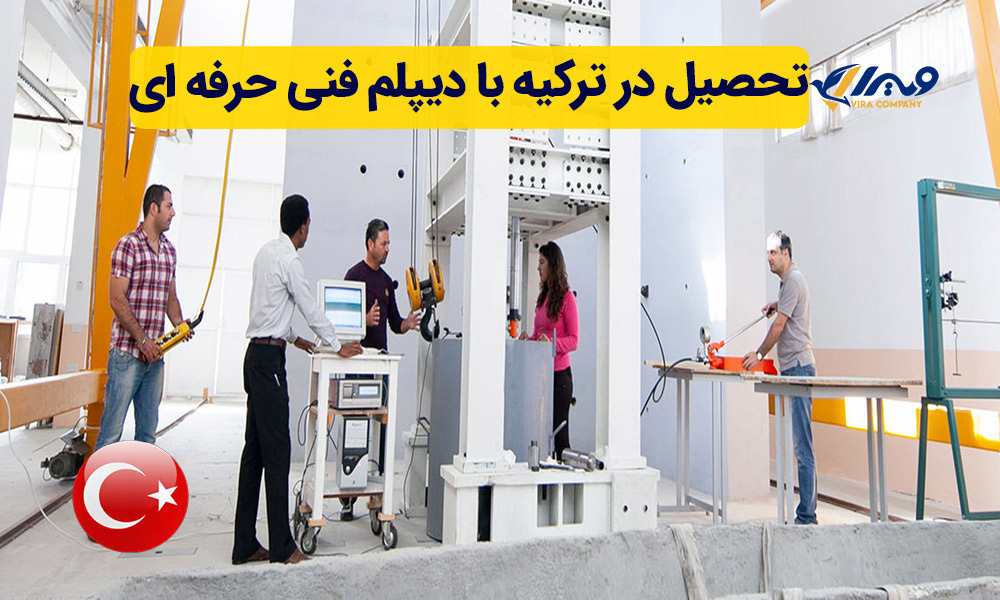
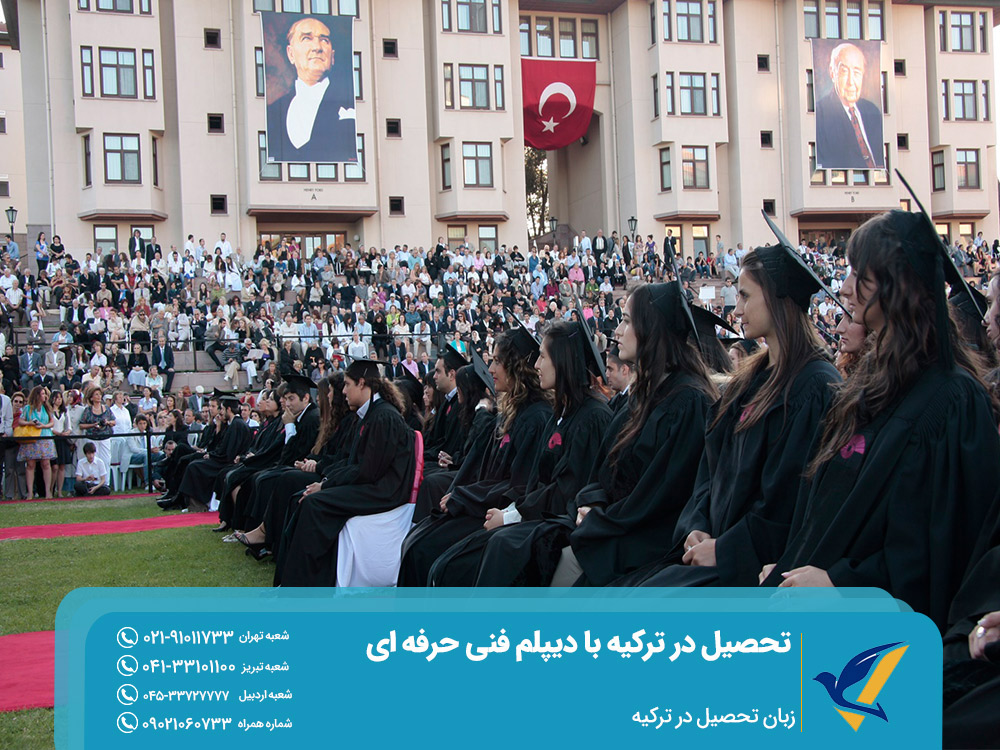
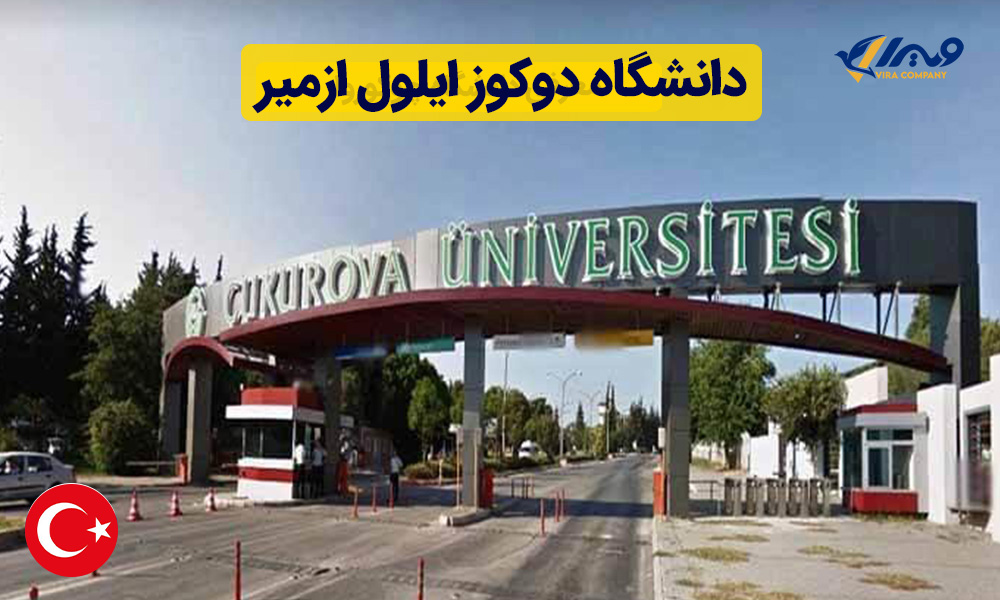
Many individuals interested in studying abroad seek opportunities to pursue higher education in Turkey with a technical and vocational diploma. Given its geographical proximity to Iran and the strong reputation of its universities, Turkey is a compelling destination for academic migration. In recent years, the number of international students choosing Turkey has increased due to cultural similarities, affordable tuition fees, and the high academic credibility of Turkish universities.The demand for technical professions in Turkey has significantly elevated the value of vocational diplomas. Holders of these diplomas can not only continue their education but alsoeasily enter the job market. In this article, the Elm Vira immigration group explores the process of studying in Turkey with a technical and vocational diploma.
Studying in Turkey
Turkey’s close geographical ties with Iran, shared cultural and religious aspects, well-established educational facilities, and internationally recognized universities make it a favorable option for students seeking higher education abroad. International applicants with diverse academic backgrounds—including humanities, experimental sciences, and mathematics—apply to Turkish universities. Additionally, studying in Turkey with a technical and vocational diploma has gained popularity among international applicants.Holders of a technical and vocational diploma in Turkey can continue their university education while also securing jobs aligned with their skill set. However, to enhance the recognition of their vocational diploma in Turkey, obtaining an equivalency certificate is essential.
Requirements for Studying in Turkey with a Technical and Vocational Diploma
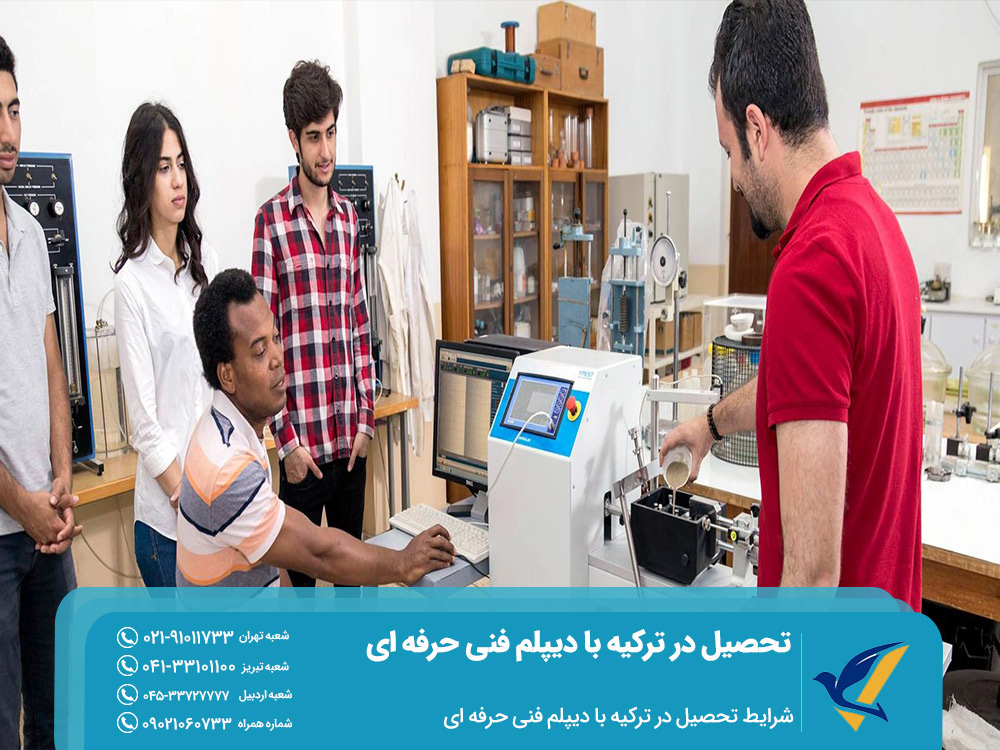
Applicants wishing to study in Turkey with a technical and vocational diploma can continue their education after obtaining an equivalency certificate that aligns their diploma with the Turkish education system. Once they receive university admission, they can enroll in their desired programs, although specific requirements may apply. For instance, if a vocational diploma holder intends to pursue a medical degree, they must first complete a one-year preparatory course before entering university.During this preparatory year, students acquire foundational knowledge in medical sciences. Similarly, those interested in technical fields can enroll in associate degree programs or apply for an integrated bachelor’s degree in engineering and technology-related disciplines.
Studying Engineering in Turkey with a Vocational Diploma
Students with a vocational diploma can apply for associate or undergraduate engineering programs in Turkey. To do so, they must first validate their diploma through the equivalency process. Eligible candidates can then enroll in associate degree programs in fields such as Electrical and Electronics, Electronic Technology, Mechanical Systems, Aviation Technology, and Automotive Technology.Moreover, vocational diploma holders can pursue a bachelor’s degree in engineering at Turkish universities. However, admission to engineering programs requires candidates to pass entrance exams such as the SAT or YÖS.
Top Engineering Universities in Turkey
The most prestigious universities for engineering studies in Turkey include:
Koç University
Dokuz Eylül University
Sabancı University
Middle East Technical University (METU)
Bilkent University
Ankara University
Akdeniz University
Bahçeşehir University
Boğaziçi University
Başkent University
Given the high academic standards and strong reputation of Turkish universities, many vocational diploma holders choose to migrate to Turkey for higher education and enroll in one of these institutions.
Studying Medicine in Turkey with a Technical and Vocational Diploma
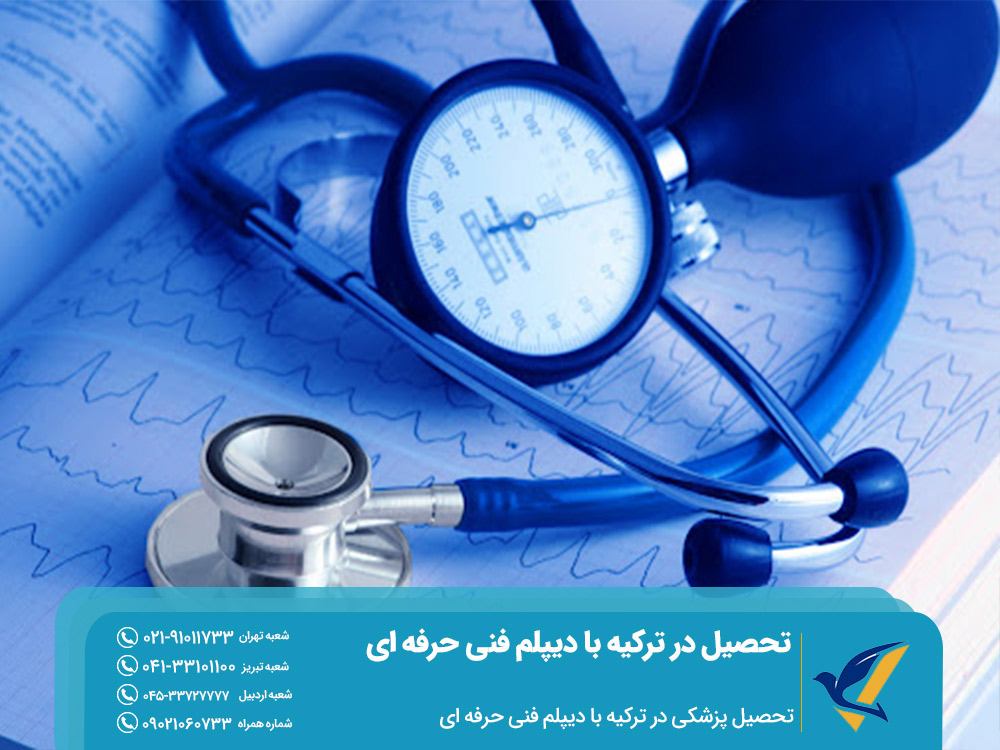
Some applicants with technical and vocational diplomas aspire to study medicine or related fields in Turkey. Given the recognition of vocational diplomas in Turkey, these applicants must first complete the diploma equivalency process. Once their diploma is validated, they are required to enroll in a one-year pre-medical preparatory course before entering university.During this preparatory year, students acquire essential foundational knowledge in medical sciences. Additionally, passing a university entrance exam is mandatory for admission to medical programs in Turkey. The SAT and YÖS exams are the primary admission tests, and while some universities accept scores from either exam, others may require only one specific test.Therefore, before applying for a medical program in Turkey with a vocational diploma, candidates must carefully review the admission criteria of their target university, including the required entrance exam.
Top Medical Universities in Turkey
Some of the most prestigious universities for medical studies in Turkey include:
Istanbul University
Ankara University
Marmara University
Yeditepe University
Cerrahpaşa University
Koç University
Istanbul Medipol University
Studying and Working in Turkey with a Vocational Diploma
Technical and vocational fields are in high demand worldwide, including in Turkey. Professions such as welding, plumbing, mechanical engineering, carpentry, electrical work, and HVAC (heating, ventilation, and air conditioning) offer strong job prospects.Students pursuing higher education in Turkey with a vocational diploma can also obtain a work permit and gain employment in their respective fields. Their level of expertise and practical skills play a crucial role in determining both their academic and career opportunities in Turkey.
Language of Instruction in Turkey
Before applying for higher education in Turkey, prospective students must familiarize themselves with key academic requirements, including the language of instruction. Universities in Turkey offer programs in both Turkish and English, depending on the institution and field of study. Applicants must provide a recognized language proficiency certificate that meets the university’s admission criteria.If students do not have a language certificate or fail to demonstrate sufficient language skills, they must attend a preparatory language course before beginning their degree program. To avoid delays and additional costs, it is advisable to improve language proficiency and obtain a certification before applying.This will streamline the admission process and allow students to begin their studies immediately.
Age Requirements for Studying in Turkey
Another crucial factor for studying in Turkey with a technical and vocational diploma is the age requirement and education gap policy. The education gap refers to the time interval between two academic degrees. Public universities in Turkey tend to enforce stricter regulations, with the maximum age for undergraduate admission typically set at 21 years.Private universities, however, are generally more flexible regarding age limits and education gaps, making them a preferred choice for many international students.
Scholarship Eligibility Based on Age
For those seeking scholarships, age plays a significant role. Many universities offering scholarship programs set specific age limits and require candidates to pass a scholarship examination. The maximum age limits for scholarship eligibility in Turkey are typically:
21 years for undergraduate programs
30 years for master’s programs
35 years for PhD programs
Understanding these criteria will help applicants make informed decisions and increase their chances of securing a place in Turkish universities.
Tuition Fees for Studying in Turkey with a Technical and Vocational Diploma
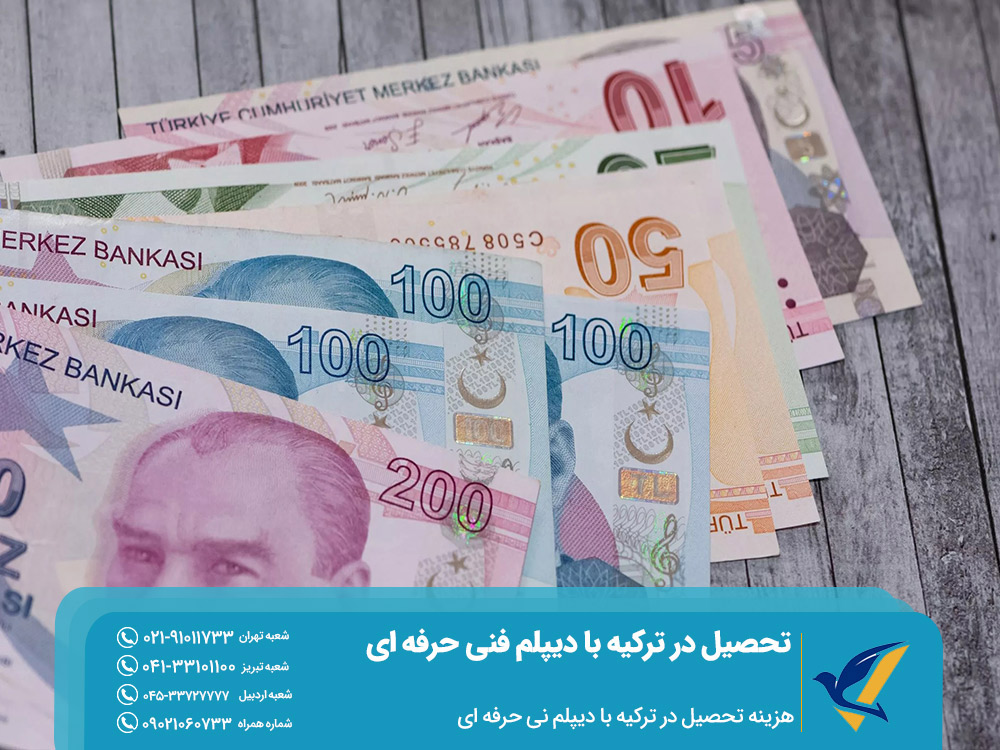
One of the most crucial aspects of studying abroad is the cost of education. The tuition fees in Turkey for students holding a technical and vocational diploma vary depending on the degree level, field of study, university, and language of instruction. Compared to many other countries, Turkey offers affordable tuition fees, making it an attractive destination for international students.
Medical programs generally have higher tuition fees than other fields, while associate degree programs tend to be cheaper than bachelor’s degree programs. Additionally, private universities and programs offered in English are more expensive. Prospective students should research the exact tuition fees on the official websites of their target universities.
Average Tuition Fees in Turkey for Engineering and Medicine
Field of Study
Public University (Turkish-taught)
Public University (English-taught)
Private University
Engineering
$300 – $800
$500 – $1,800
$5,000 – $20,000
Field of Study
Public University
Private University
Medicine
$300 – $1,800
$10,000 – $25,000
Scholarships for Studying in Turkey
Students who demonstrate academic excellence, a strong resume, and outstanding performance can apply for scholarships. There are various types of scholarships, including:
Government Scholarships
University-Specific Scholarships
Private Institution and Foundation Scholarships
Some of the top universities offering scholarships include:
Sabancı University
Hacettepe University
Koç University
Middle East Technical University (METU)
Additionally, Turkiye Burslari (Turkish Government Scholarship), TUBITAK Scholarships, and Erasmus Student Exchange Programs are available to eligible candidates.
Important Note on Scholarships
Scholarships are more commonly awarded for graduate programs (master’s and PhD), whereas undergraduate students have fewer opportunities. Therefore, students should not solely rely on receiving a scholarship and must plan their budget accordingly before moving to Turkey.
Required Documents for Studying in Turkey with a Technical and Vocational Diploma
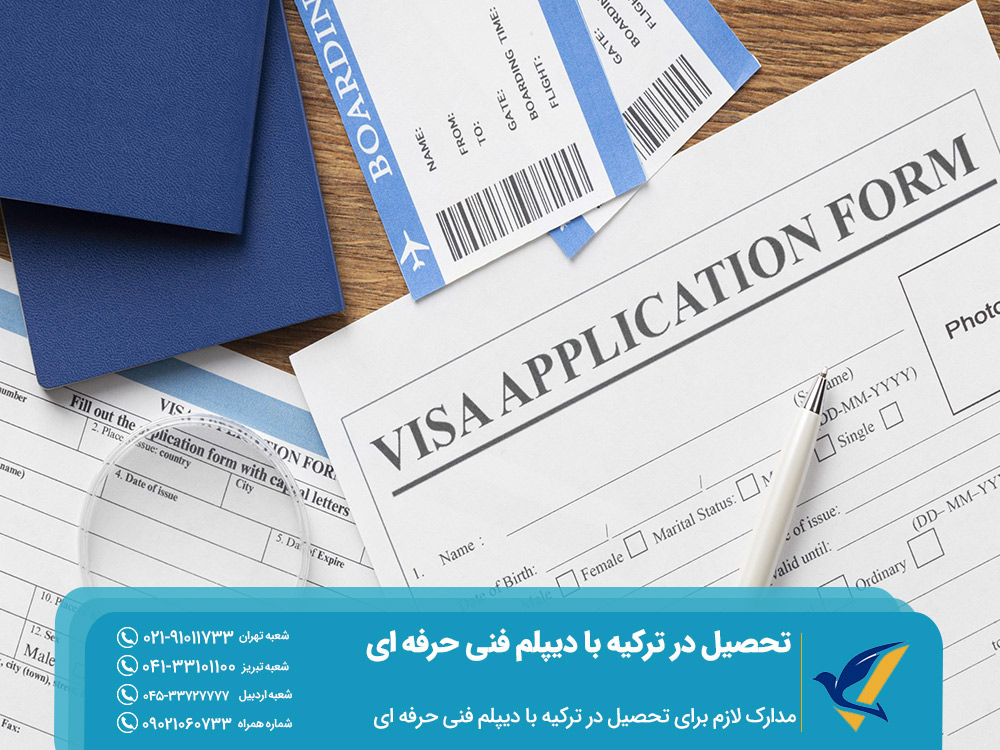
Once you have reviewed all the requirements for studying in Turkey with a technical and vocational diploma, the next step is to apply for admission to your chosen university. You need to download the application form from the university’s website, fill it out completely, and submit it along with the required documents.
Documents Needed for University Application:
Officially translated vocational diploma and transcripts
Valid passport (with a minimum required validity)
Proof of payment for the application fee
Passport-sized photos
Student visa for Turkey
Academic resume and recommendation letter (if available)
International language certificate (TÖMER for Turkish, IELTS or TOEFL for English) or proof of language proficiency
Official university acceptance letter
Proof of financial ability
Entrance exam score (if required)
Health insurance
Certificate of no criminal record
Additionally, students must equate their diploma to enhance its validity and ensure that it is recognized by Turkish universities.
Summary
Many students with technical and vocational diplomas choose Turkey for higher education. To study in Turkey, students must equate their diploma to ensure it is recognized by Turkish universities.Students can continue their studies in vocational associate degree programs or bachelor’s programs in engineering and other fields. Some students may also aim to study medicine in Turkey, which requires completing a one-year preparatory course covering essential subjects like biology, mathematics, physics, and chemistry.Elm Vira Immigration Institute is one of the most reputable institutions specializing in educational migration, witha track record of successful student placements. Elm Vira supports students at every step of their academic journey. To receive free consultation and speak with our experts, fill out our consultation form, and our advisors will contact you shortly.