Studying music in Turkey can be an excellent option for those passionate about the world of instruments and vocals, as the country has a rich and ancient history in the arts. Music is taught in many of Turkey’s renowned and prestigious universities, attracting numerous individuals from around the world who wish to migrate for higher education in Turkey every year.
To study in Turkey, you need to meet the specific requirements of this field and be able to afford the tuition fees for music studies in the country. For more detailed information about the conditions of studying music in Turkey, stay with us until the end of this article by Elm Vira.
How to Study Music in Turkey
Turkey highly values and appreciates music. As a result, there are many universities and institutions offering music programs. The history of music education in Turkey is rich, and the country has produced talented artists, singers, and musicians who have achieved global recognition. Additionally, Turkey, due to its geographical proximity and cultural similarities to Iran, has become a popular destination for Iranian students pursuing higher education abroad.
During your music studies in Turkey, you will need to complete various courses. These may include subjects like composition, orchestration, performance, analysis, studio work, musicology, and the historical and cultural studies of music. Students pursuing music in Turkey will become familiar with all types of musical instruments; however, they must choose one instrument as their main focus and master it. Studying music in Turkey comes with specific requirements and conditions, which are discussed in more detail below.
Conditions for Studying Music in TurkeyThe admission conditions for studying in each of Turkey’s universities may slightly differ. If you are interested in studying music in Turkey, it is recommended that you check the website of your chosen university after selecting it. However, in general, to enter the music program and study in Turkey, you need to go through the following steps:
Passing the YOS exam with the required score for the respective university.
Passing the TOMER exam if you wish to study in Turkish.
Passing the TOEFL or IELTS exam if you wish to study in English.
Passing the ABRSM and RCM music exams.
Passing the university’s entrance examfor the institution where you intend to study.
Various Levels of Music Studies in TurkeyAfter gaining admission to a university, students who wish to pursue music in Turkey will be required to complete a mix of theoretical and practical coursework. Typically, the music program in Turkey is taught in three main sections:
Individual Section: This section focuses exclusively on courses related to music.
Shared Section: This includes courses shared with other artistic fields.
Integrated Section: This section connects courses from various other disciplines.
Further details on the conditions for studying music at each level of education in Turkey are provided separately below.1. Bachelor’s Degree in Music in Turkey
By studying music at the bachelor’s level in Turkey, you will learn about music from various parts of the world and will be trained in playing different musical instruments. Exams are conducted in both practical and theoretical areas. Additionally, students wishing to pursue higher education in Turkey will have opportunities to perform in solo or group recitals. In Turkish music universities, the first two years (semesters 1 to 4) typically focus on Western music, along with local music and music studies.
In the final two years (semesters 5 to 8), each student selects their specialization and instrument, and then chooses courses related to their field of expertise. The duration of this program is 4 years, and in some universities, it is offered under the titles of Art Management or Performing Arts, preparing students for a career in music.
It is important to note that music studies in Turkey are conducted in English, French, German, and Turkish. Additionally, you can continue your studies at the graduate and doctoral levels, gaining further knowledge in areas such as specialized composition, opera, popular music, music production, musicology, and more.
2. Graduate Music Studies in Turkey
Graduate studies in music in Turkey focus on research and teaching in specialized fields such as musicology, music production, composition, opera, popular music, and music editing. The duration of the master’s program in music is 2 years, and the doctoral program is 4 years. In graduate studies, students wishing to migrate for education to Turkey can combine both teaching and research in their chosen field.
Music Course Curriculum in TurkeyStudents applying for educational migration to Turkey must complete the following courses:
Composition
Orchestra
Performance
Music Analysis
Studio Usage
Musicology
The above courses are part of the bachelor’s degree curriculum for music studies in Turkey, taught over 4 years. However, it’s worth noting that during combined and shared courses, students will also learn subjects such as communication, memory, teamwork, stress management skills, critical thinking, discipline, and more. Ultimately, after completing the bachelor’s degree, students can pursue specializations in fields such as music technology, music management, music performance, and music education.Required Documents for Admission to Music Programs in TurkeyThe university you choose forstudying music in Turkey significantly impacts the required documents. The necessary documents for admission may vary from one institution to another, so it’s advisable to check each university’s website separately. However, in general, the following documents are required for educational migration applicants to Turkey:
High school diploma and its official translation in Turkish or English
High school and pre-university transcripts and their official translation in Turkish or English
Valid passport
Identity documents and their official translation, such as birth certificates or national ID card
Payment of the university tuition fee for one year, along with proof of payment
Proof of passing the YOS exam, if the university requires it for admission
Proof of proficiency in Turkish through the TÖMER exam if you wish to study in Turkish
English language proficiency certificate from international exams like IELTS or TOEFL.
Top Universities for Studying Music in TurkeyBelow is a list of the best universities in Turkey for studying music, ranked based on their research performance in the field of music. Please note that our ranking approach is based on the academic output of these institutions.
Istanbul Technical University
Dokuz Eylul University
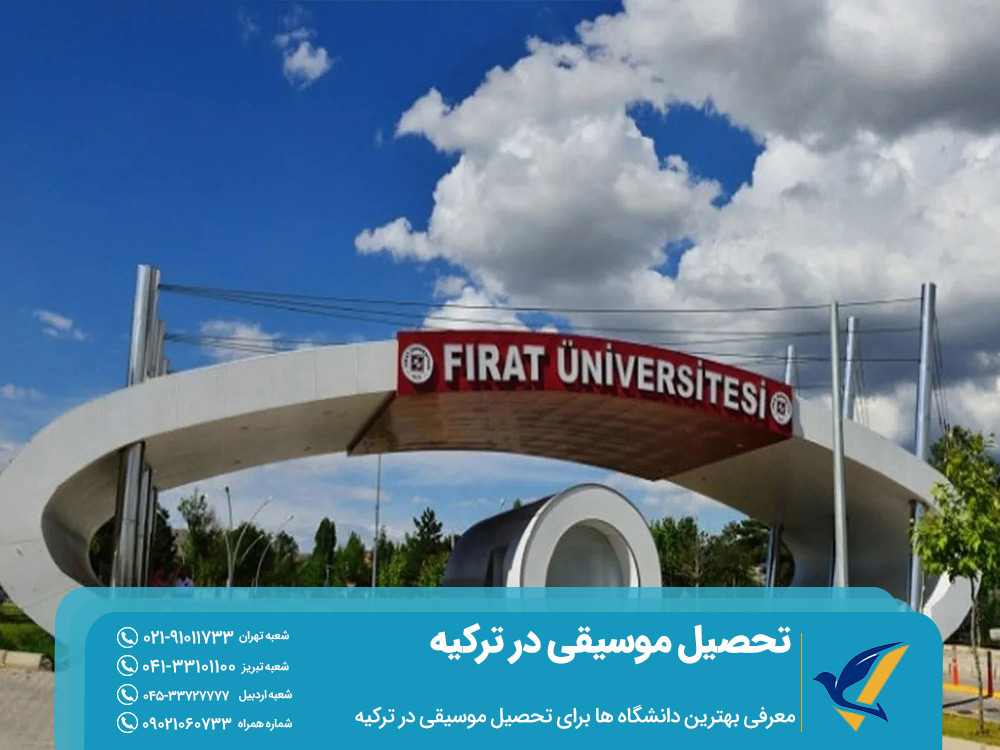
Fırat University
Başkent University
Marmara University
Uludağ University
Balıkesir University
Anadolu University Eskişehir
Language of Instruction for Music Programs in Turkish UniversitiesGenerally, universities in Turkey offer their programs to international students in two languages: Turkish and English. However, there are opportunities to study music in other languages such as German, French, Turkish, and English. It’s important to note that the most commonly taught foreign language in Turkish universities is English. Additionally, a one-year language preparation course is often offered before starting the academic programs in Turkey.Study Abroad in Turkey: Music Tuition FeesThe cost of studying music in Turkey depends on several factors. The type of university—public or private—can significantly affect your tuition fees. For instance, tuition fees at public universities in Turkey can reach up to 5,000 TRY per year. In contrast, private universities charge between 30,000 and 100,000 TRY per year.In addition to the tuition fees, you’ll also need to account for other expenses such as accommodation, food, and clothing. Some Turkish universities offer financial aid for accommodation to certain students. Furthermore, the city you plan to study and live in will also impact your costs—cities like Istanbul are significantly more expensive than places like Izmir or Ankara.How to Obtain a Full-Funded Scholarship for Music Studies in TurkeyStudying music in Turkey can be costly, and many international students seek scholarships to help with the financial burden. Here are some scholarship options that applicants can pursue:
Türkiye Bursları (Turkey Scholarships): This scholarship is awarded by the Turkish government to selected international students. It starts with a 30% discount on tuition fees and can cover all tuition and living expenses, depending on the scholarship level and eligibility.
University Scholarships: Each university has its scholarship criteria. Some offer scholarships based on financial need, while others may require a GPA of 3.0 out of 4 or higher for eligibility.
Art Institutions Scholarships: Some art institutions offer scholarships to students in exchange for a commitment to work with them after graduation. These institutions may be located either in Turkey or abroad.
Job Market for Music Graduates in TurkeyThe music industry in Turkey has a promising job market. The country does not impose the same strict limitations on music as some other countries, making it easier for musicians to pursue careers there. Additionally, Turkey’s open and global job market for music professionals is attractive to graduates. After completing music studies in Turkey, you’ll have numerous career paths to choose from, including management roles, teaching, or joining and even forming music bands.Some of the job opportunities available after completing your music studies include:
Sound Engineer
Artistic Director
Composer
Pianist
Artistic Director
Music Business Lawyer
Music Instructor
Income of Music Graduates in TurkeyGraduates of music programs in Turkey can quickly enter the global job market and start earning. However, the income of a musician in Turkey greatly depends on their skills and experience. Therefore, income in this field can vary widely, typically ranging from 300,000 to 1,000,000 Turkish Lira per year.Additionally, the type of work pursued after graduation significantly impacts earnings. For example, some individuals prefer project-based work and opt to work as freelancers, while others join studio-based jobs or work for well-known music companies. Some musicians focus on producing music and albums, attracting sponsors, and organizing tours or concerts.ConclusionThis article has provided an overview of the value and conditions of studying music in Turkey. If you are looking for a reliable platform to assist with studying abroad in Turkey, you can benefit from the unique services of the Elm Vira Immigration Institute. With the best facilities and affordable prices, you will be guided through essential training programs and legally assisted in your educational migration to Turkey. If you wish to receive more details or a free consultation about the music program’s tuition fees in Turkey, feel free to contact the website’s support team.