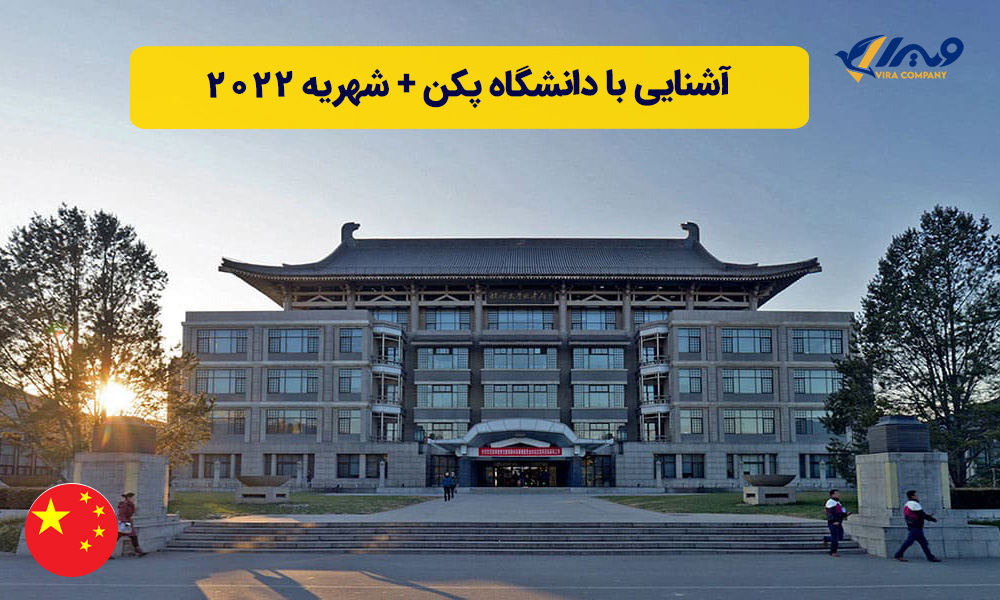
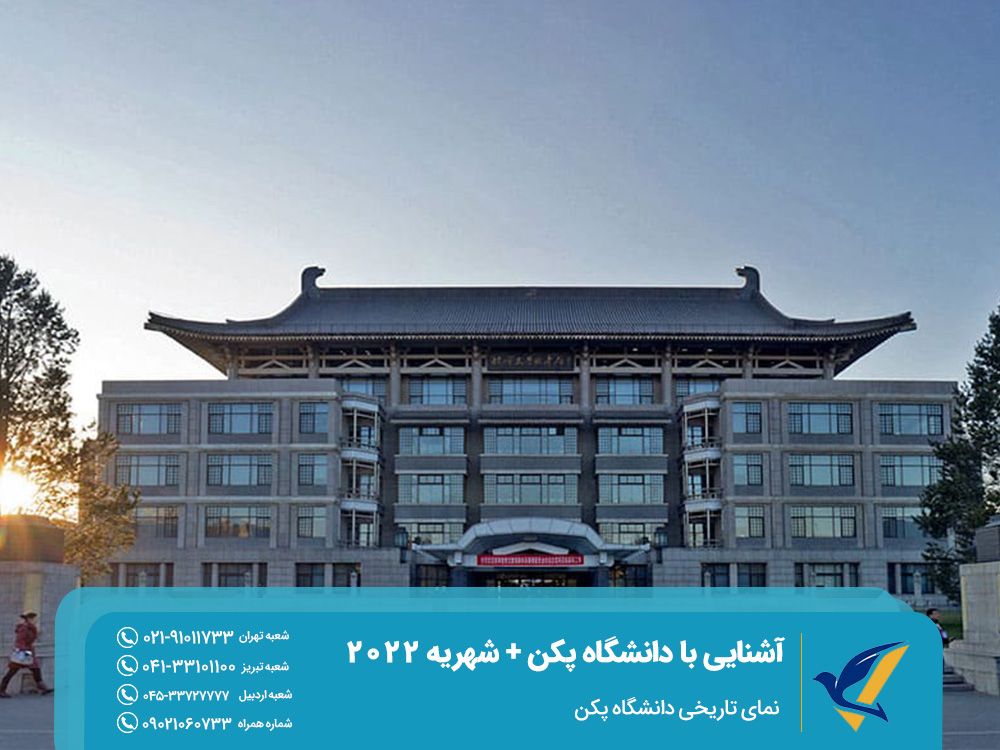
Peking University traces its roots back to the Imperial University of Peking, founded in 1898. After the Revolution of 1911, it was renamed the National Peking University and has been known as Peking University since 1949. Peking University has been one of China’s leading higher education institutions since its inception. The university has a longstanding tradition of emphasizing progress, patriotism, democracy, science, realism, innovation, precision, and values passed down from generation to generation.
The basic requirements for studying in Chinese universities include:
Minimum Age: Applicants must be at least 18 years old.
Education: Completion of 12 years of schooling is required.
Language Proficiency: For programs taught in Chinese, Applicants must pass the HSK (Chinese Proficiency Test).
Valid English language certificates, such as IELTS or TOEFL, are required for programs taught in English.
Like Dalian University, Peking University is considered one of the finest institutions for higher education in China.
Advancements at Peking University
Peking University has played a pivotal role in China’s modernization. It was at this institution that the country’s first modern educational system was established, giving rise to the creation of faculties in:
Liberal Arts
Natural Sciences
Social Sciences
Agriculture
Medicine
Engineering
Key Developments:
In 1917, under the leadership of Cai Yuanpei, a renowned educator, the university underwent significant reforms. Cai championed freedom of thought and academic inclusivity, fostering an environment encouraging independent thinking and academic excellence.
Prominent figures such as Chen Duxiu, Li Dazhao, Mao Zedong, Lu Xun, and Hu Shih were the university’s faculty members or contributed to its legacy.
About Peking University
In 2000, Peking University merged with Peking Medical University, further expanding its scope to include a comprehensive range of disciplines, such as:
Sciences
Engineering
Medicine
Agriculture
Humanities
Social Sciences
Achievements and Research:
Over the past 120 years, Peking University has nurtured a vast pool of talent and achieved remarkable milestones, including:
The development of the world’s first artificial bovine insulin.
The invention of the laser Chinese character system.
The discovery and isolation of artemisinin, a breakthrough in malaria treatment.
The creation of the countercurrent cascade theory, used in rare earth material processing.
Language of Instruction:
Undergraduate Programs: Taught primarily in Chinese.
Graduate Programs: Offered in both Chinese and English.
Facilities and Research Centers
Peking University boasts cutting-edge facilities, including:
State Key Laboratory of Nuclear Physics and Technology
Beijing National Laboratory for Molecular Sciences
State Key Laboratory of Rare Earth Chemistry and Applications
Academic Programs at Peking University
Peking University offers a wide range of academic programs across various disciplines. Below is a detailed overview of the fields of study available:
Fields of Study
Physical Sciences
Chemistry
Physics and Astronomy
Geology, Environment, Earth, and Marine Sciences
Mathematics and Statistics
Engineering and Technology
Mechanical and Aerospace Engineering
Electrical and Electronic Engineering
General Engineering
Arts and Humanities
History, Philosophy, and Theology
Performing Arts and Design
Archaeology
Languages, Literature, and Linguistics
Business and Economics
Accounting and Finance
Business Management
Economics and Econometrics
Clinical, Preclinical, and Health Sciences
Medicine and Dentistry
Other Health-Related Disciplines
Social Sciences
Geography
Politics and International Studies (including Development Studies)
Sociology
Communication and Media Studies
Law
Biological Sciences
Biological Sciences
Computer Sciences
Computer Science
Psychology
Psychology
University Rankings
Peking University is recognized as one of the top universities globally and in Asia:
Global Ranking: #23
Asia Ranking: #2
Faculty-Specific Rankings:
FacultyRankingArts and Humanities 23 Health Sciences 31 Engineering 13 Life Sciences 21 Physical Sciences 17 Social Sciences 18 Economics 20 Computer Science 27 Education 13 Psychology 65 Emerging Economies 2
Tuition Fees at Peking University (2025)
General Tuition Costs:
Program LevelAnnual Tuition (USD)Undergraduate 4,109 Master’s 4,583 Doctorate 5,057
Comparison with Tsinghua University:
Tuition at Tsinghua University: $88,000 per year.
Admission Requirements at Peking University
International applicants seeking admission to Peking University must meet the following criteria:
Nationality: Applicants must be non-Chinese citizens.
Age: Minimum age is 18 years.
Passport: A valid passport is required.
Conduct: Applicants must abide by the laws of China, follow university regulations, and respect Chinese customs.
Application Process
Online Application: Apply to the university’s online system.
Language Entrance Exam: Students must take a language proficiency test, usually held at the end of March.
Admission Letter: Successful applicants receive an admission letter approximately 8-10 weeks after the application deadline.
Required Documents for Admission
Applicants must prepare the following documents:
Graduation Certificate and Diploma: Originals and certified translations in Chinese or English.
Application Form: Completed with a passport-sized photo attached.
Personal Statement: Detailing the applicant’s academic goals and plans.
Academic Transcripts: Official records of previous academic achievements.
Recommendation Letters: Two letters from referees in Chinese or English (original or copies).
HSK Certificate: A copy of the Chinese Proficiency Test (HSK) results.
Passport Copy: A valid passport copy.
Publications Summary: A list and summary of the applicant’s research publications (if applicable).
Application Fee: Payment proof for the required application fee.
International Collaborations
Although based in China, Peking University has a global outlook and actively promotes international cooperation. The university:
Has hosted over 100 global leaders, political figures, and Nobel laureates.
Maintains partnerships with nearly 400 universities and research institutions across 60 countries.
Welcomes approximately 2,000 international students annually, hailing from Europe, North Africa, South America, Asia, Australia, and parts of Africa.
Student Life at Peking University
Accommodation
International students can reside in the Shao Yuan Dormitories. However, if their study period exceeds the allocated time, they must find alternative housing. Off-campus apartments near the university are an option, and students are advised to ensure proper lease agreements to avoid future issues.
Dining and Shopping
Dining Options: Students can dine at restaurants like Shao Yuan and Global Village Zhongguanyuan.
Shopping: Daily necessities can be purchased at stores like WuMei Mini Mart, Boshi, and the BeiXin Market.
Facilities
Healthcare: On-campus hospital.
Postal and Banking Services: Post office and banks.
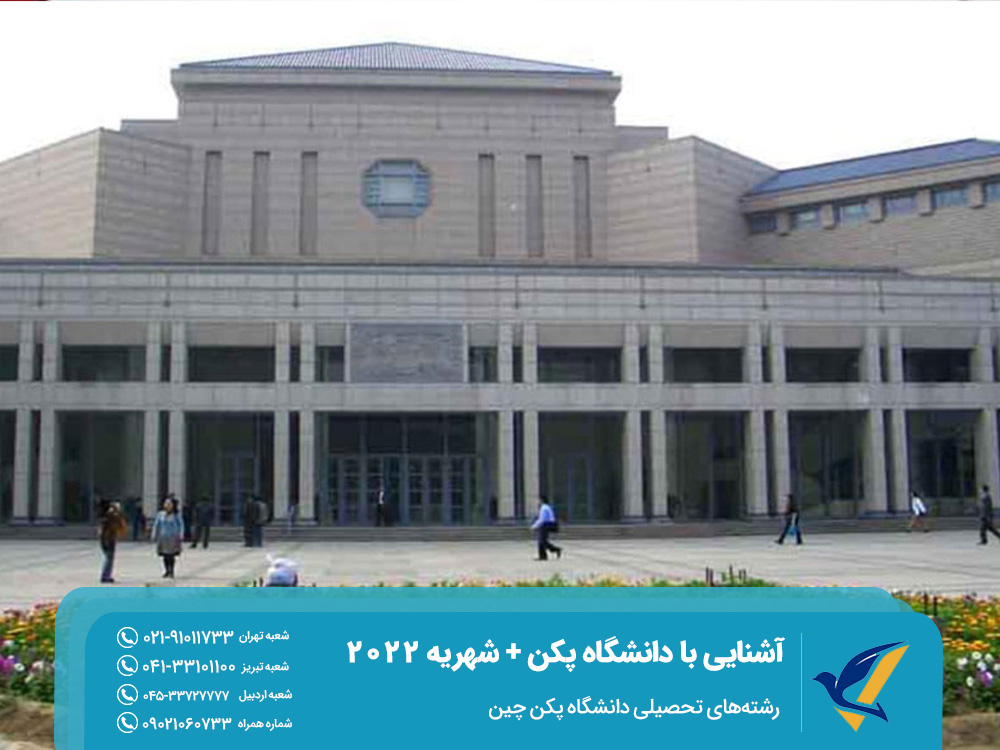
Other Amenities: Bookstores, laundromats, and a performance hall.
Safety Tips
Peking University is a secure environment. However, students are advised to:
Avoid carrying large sums of cash or passports when leaving campus.
Carry only a copy of their passport for identification purposes.
A Historical Perspective of Peking University
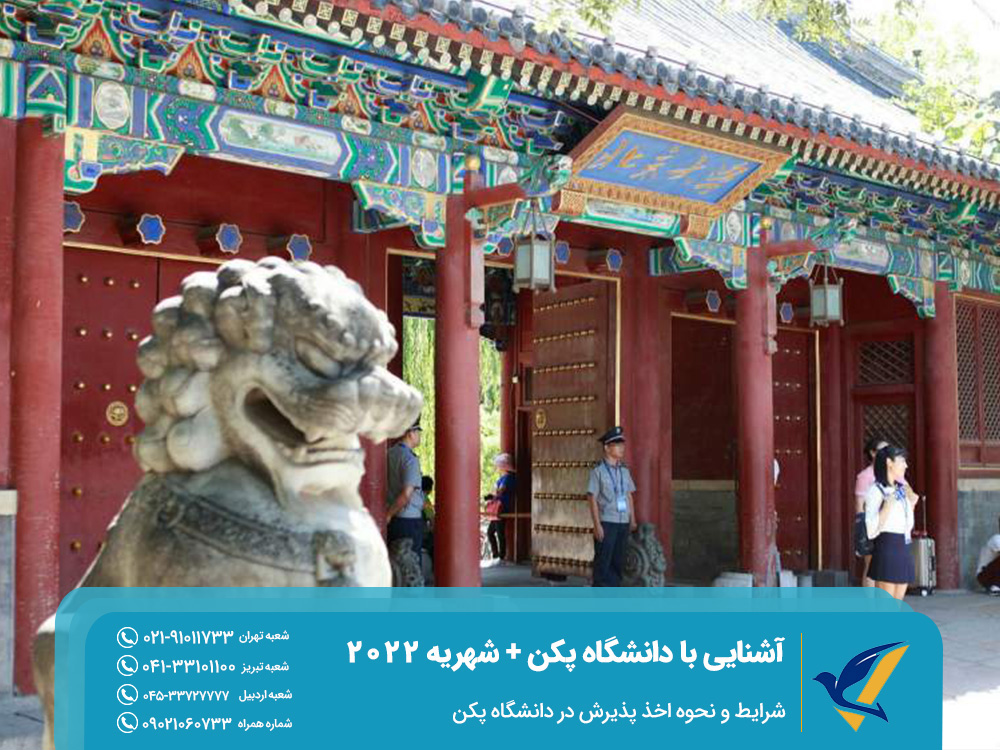
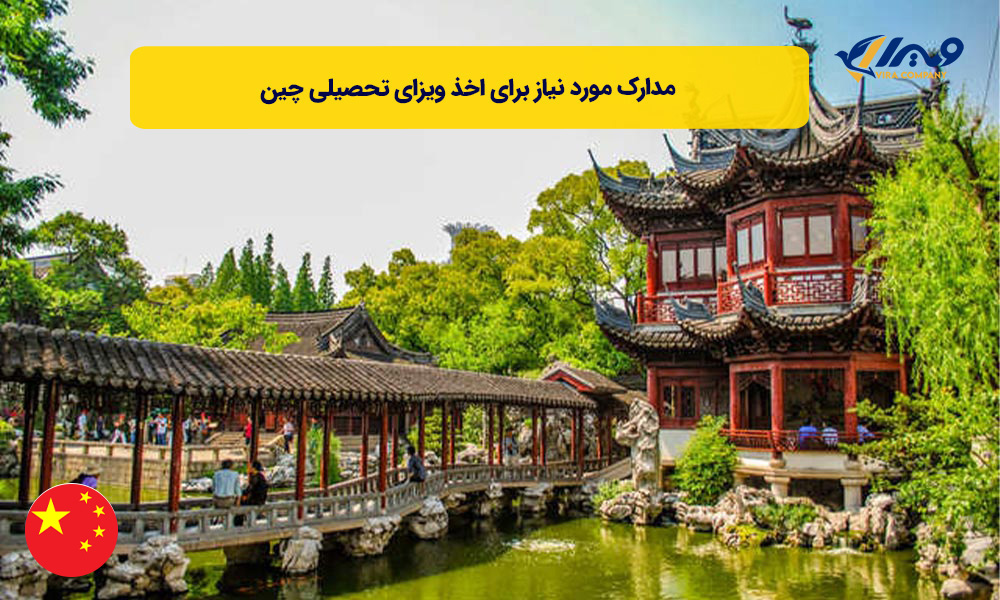
The main campus of Peking University is situated on the former imperial gardens of the Qing Dynasty, offering a glimpse into traditional Chinese landscaping and architecture. The campus has classical structures, including traditional houses, gardens, pagodas, and many notable historical buildings.At the northern part of the campus lies Weiming Lake, surrounded by serene walking paths and small gardens. This provides a tranquil environment for students and visitors.The university campus also houses significant museums such as:
The University History Museum showcases the institution’s rich past.
The Arthur M. Sackler Museum of Art and Archaeology, where visitors can view artifacts dating back thousands of years.
Summary
Peking University is consistently recognized as the premier academic institution in China. Beyond its academic reputation, the university is famed for its breathtaking campus, which blends traditional Chinese architecture with natural beauty. As an alma mater of notable historical figures, including Mao Zedong, the university continues to attract students worldwide as a leading international institution for higher education.For expert advice and support on studying in China, contact the consultants at Elme Vira Immigration Services.